Ferdinand Vogel explains how to use ‘triangle theory’ to find thermals in the mountains
9 March, 2026, by Ferdinand Vogel
An experienced Alpine XC pilot flies purposefully towards the next thermal. They don’t appear to spend any time flying circles or searching for the lift, but only a few minutes later they leave the thermal at cloudbase – already lining up the next powerhouse climb. Is that luck, do they have magic thermal goggles? Or what do they know?
Starting the day
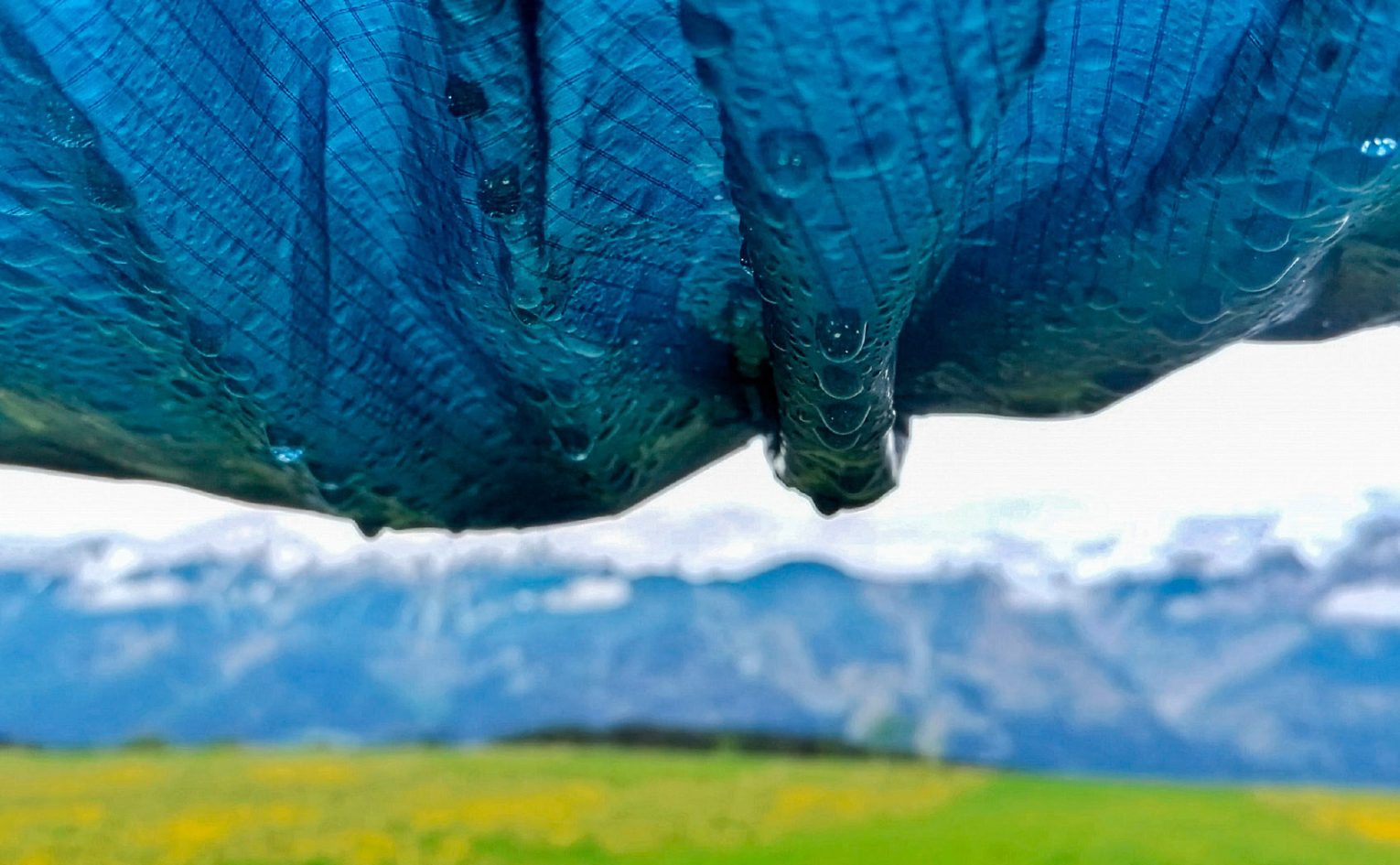
Let’s begin the day with an observation while lying in a tent early in the morning. Your eyes rest on the condensation as it drips down the tent fabric. Which path do the drops take as they fall?
They collect in folds that protrude inward and drip further down along these channels. On smooth surfaces they always flow straight down, seeking the path of least resistance. Where necessary, they merge and adjust their flow paths accordingly. Surface tension and surface friction also play their part.
To apply these observations to our flying, we must turn our view upside down. Now the thermals drip upwards, and we can better imagine how thermals move along slopes.
Watching how condensation droplets on the underside of a tent travel can help you understand how airflow in the mountains works. Turn the image upside down and imagine the droplets are thermals and the ripples and folds hills and valleys. Where the droplets drip off is where thermals will trigger
Some people say it’s good to...
Join us and enjoy the full article
Subscribe today and get instant online access to premium content, Masterclasses and eight issues a year