Adventure Mode: Escaping the winter in Tenerife
"We have a great variety of flying sites, meaning windward flying, lee-side flying, soaring at ground level and thermal flying."
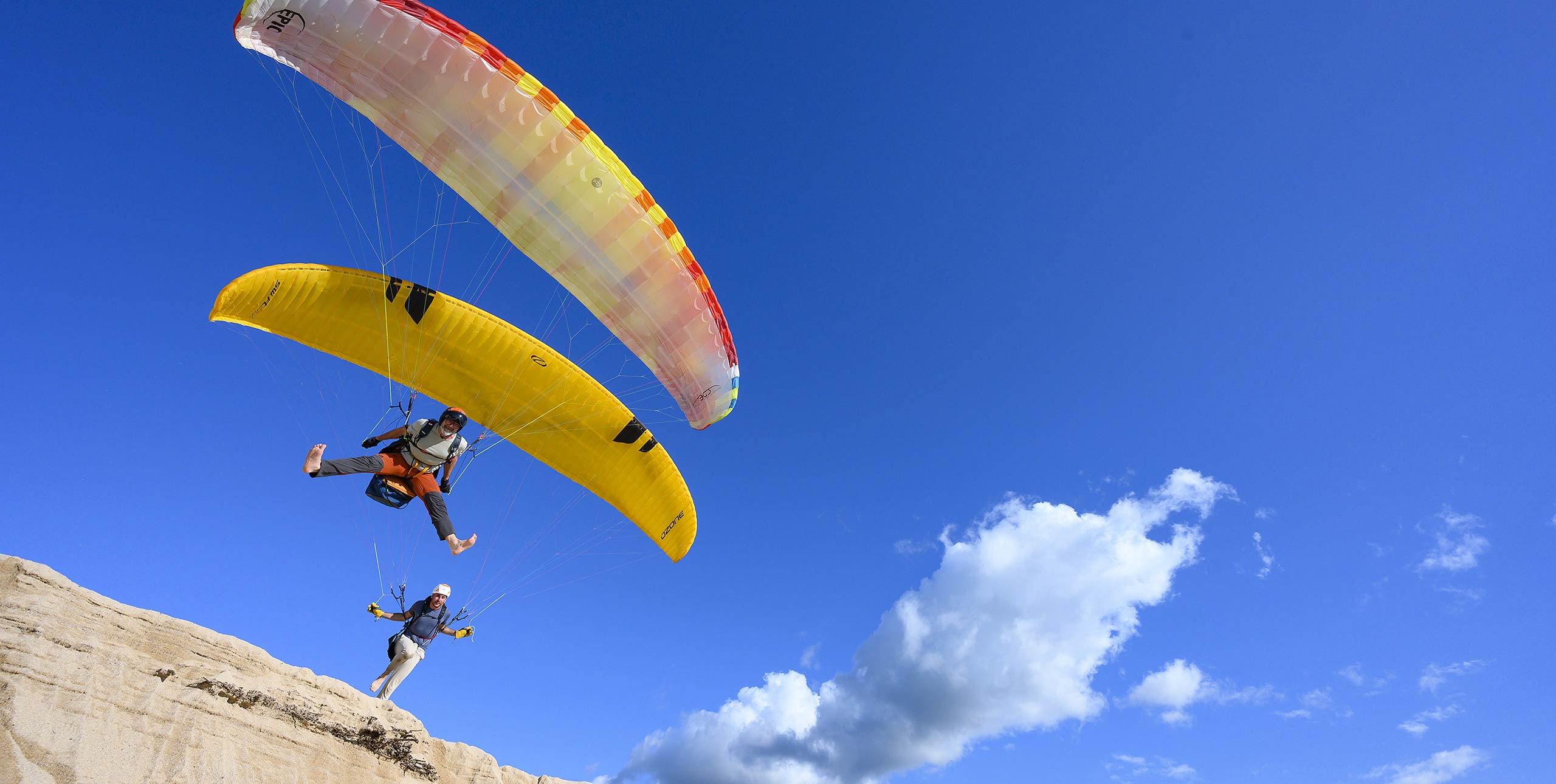
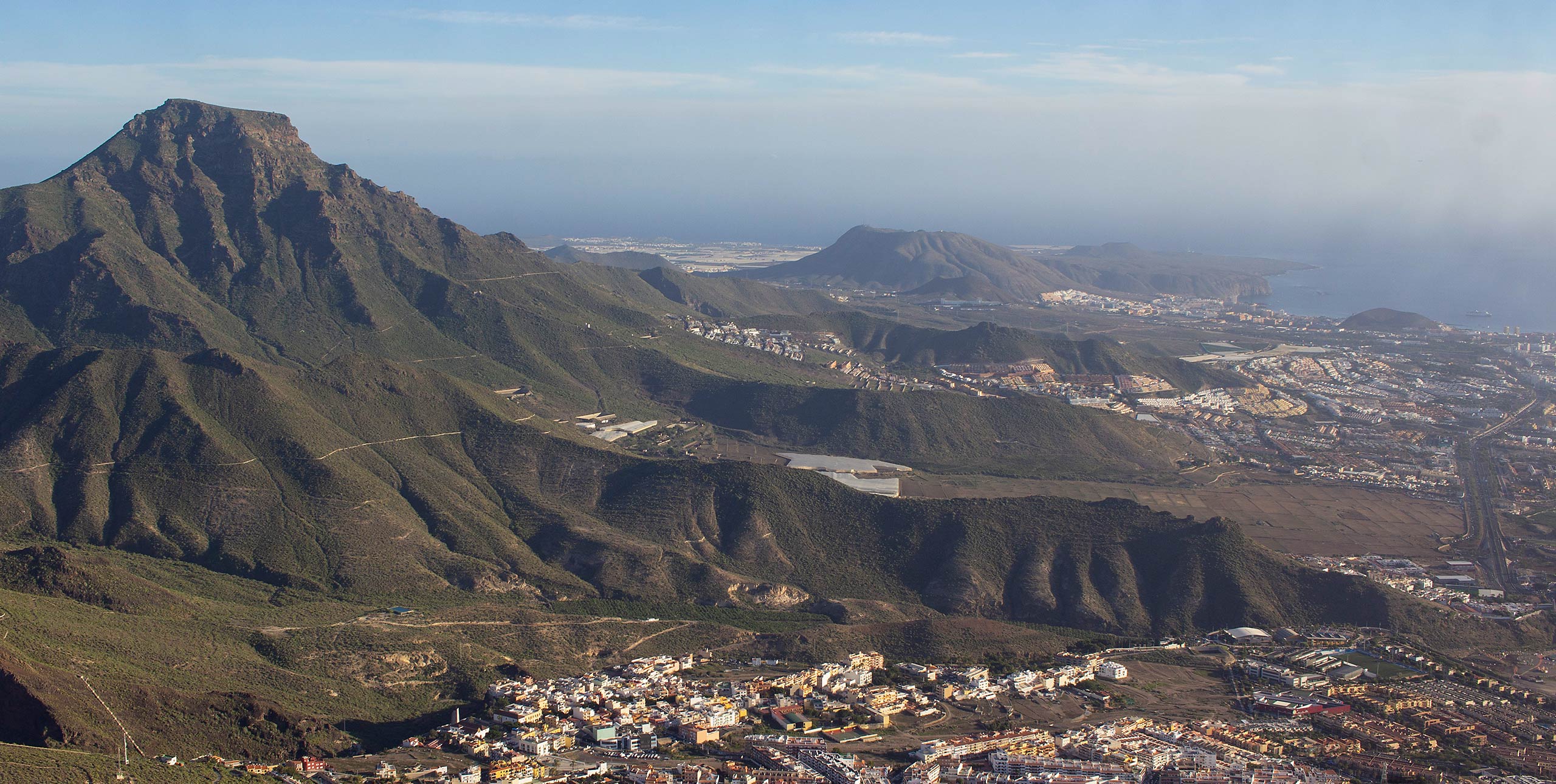
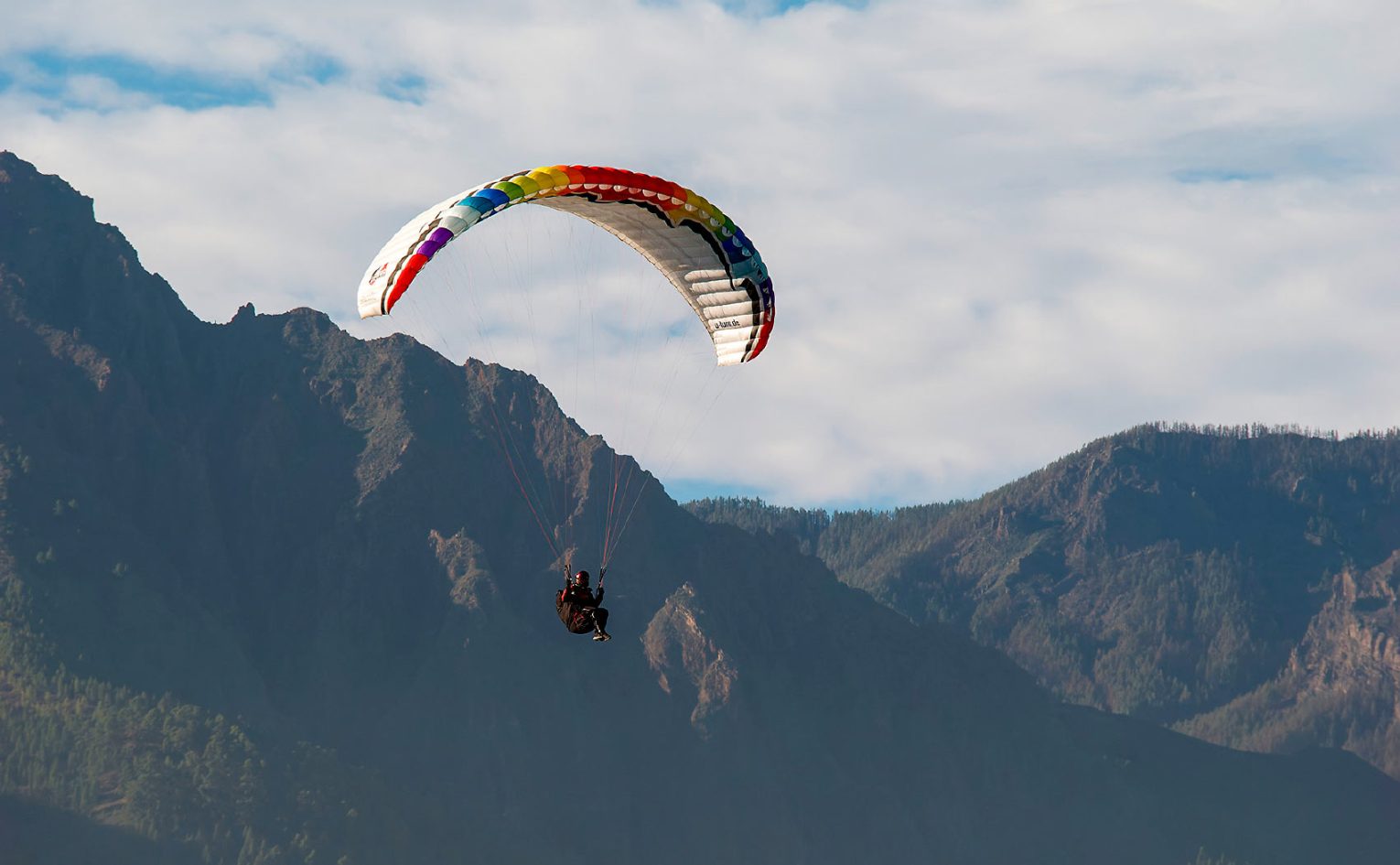
8 December, 2025, by Martin Stieber, local guide. Photos: Erwin VoogtThe most special thing in Tenerife is Mount Teide (3,718m), the live volcano in the middle of the island (last eruption 1909). This gives us lots of options because we have the Atlantic Ocean all around and we have a great variety of flying sites, meaning windward flying, lee-side flying, soaring at ground level and thermal flying. Our highest take-offs are at 2,200m, so there’s a great variety.
The tandems fly all year round but in spring and summer we have more stable weather. The high season is winter, which is when pilots from Europe flock here. A lot of pilots come to Tenerife from northern Europe – Scandinavia – where it’s already very dark and cold. Arriving to 20ºC and sunshine in January is like stepping into another world. There’s nothing better than flying all day and then landing at a sunny beach and enjoying a drink. We have mountains, we have the ocean!
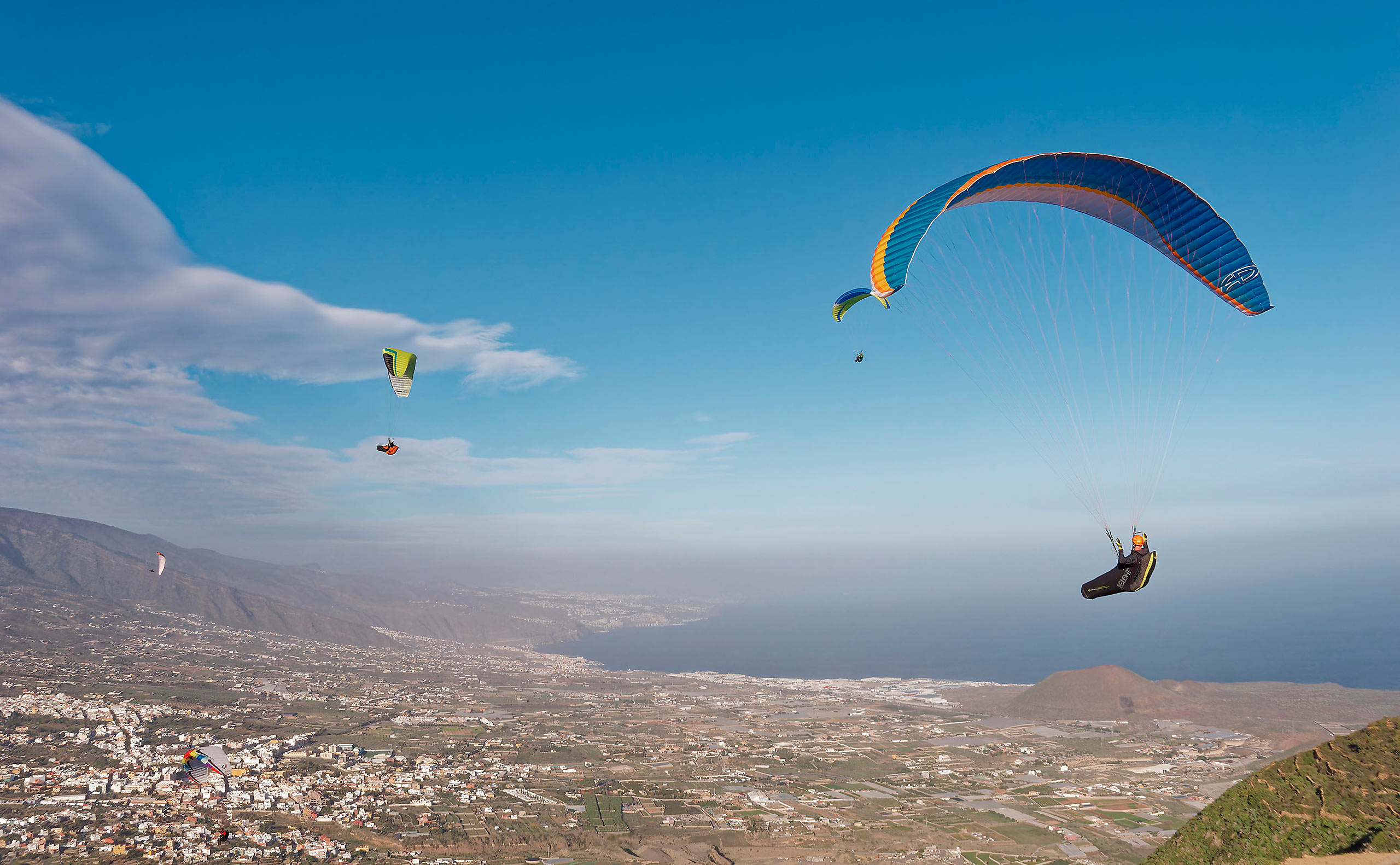
If we have a classic weather situation in Tenerife, then we meet around 10am and do a thermal flight. Depending on piloting skills, this can last all day. Early afternoon the conditions often get a bit rough so we might stop for lunch, then go for a second flight around 3pm. Some days you can thermal up to 3,500m.
The most important thing to get to grips with on Tenerife is the wind. Wind speed and direction can be completely different in the different layers, meaning that we have northeast wind in the lower layer and the southwest wind in the upper layer. That’s quite typical. Normally we have lots of wind in the higher layer making it impossible to fly or to take off there.
Sometimes we have very little wind in the upper layer and a very stable condition in the lower layer, a big inversion. This is typical, so we have to climb out of the inversion otherwise it’s a glide down. When we have a very active air mass from 1,500m is when we have perfect conditions.
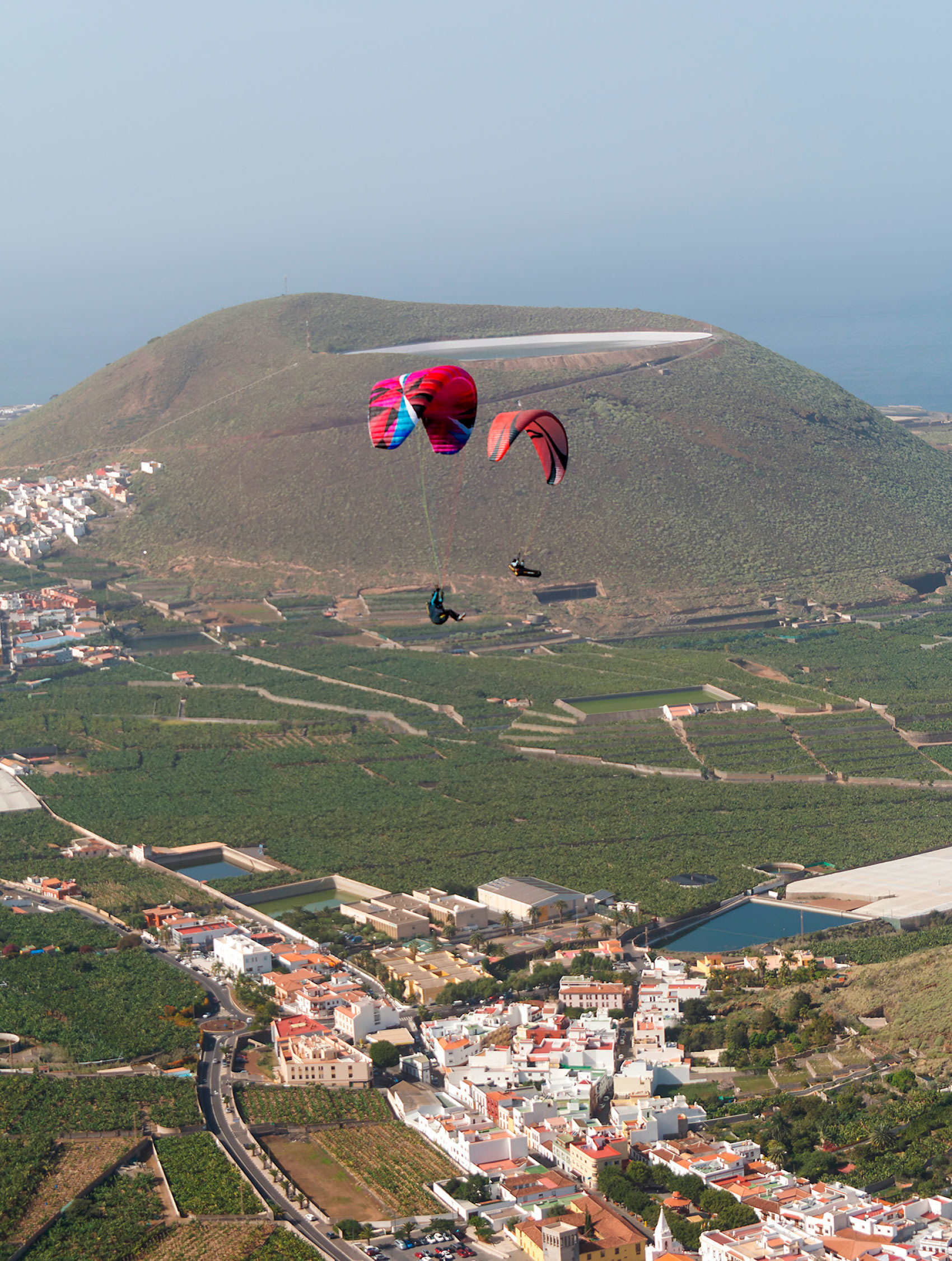
Long flights are very tricky with the airspace because we have two airports on the island – the island record is about 90km, basically around the whole island.
Something else good to know – landing can be tricky because most pilots are used to huge grassy fields everywhere. But if you look down and it’s green, it’s most likely cactus! You have to know the landing spots and you also have to be able to do a good approach as the landing fields are not that big. The complex aerology and the landings mean Tenerife is not a typical beginners’ spot, but if you’re intermediate or above you’ll have a blast.
You can fly most of the year in Tenerife but the thermal and XC season runs from November to April. There are several local guides you can fly with, sometimes on a day-to-day basis, which makes the logistics easy. See para42.com and paraholictenerife.com
This article was first published in Cross Country Issue 262