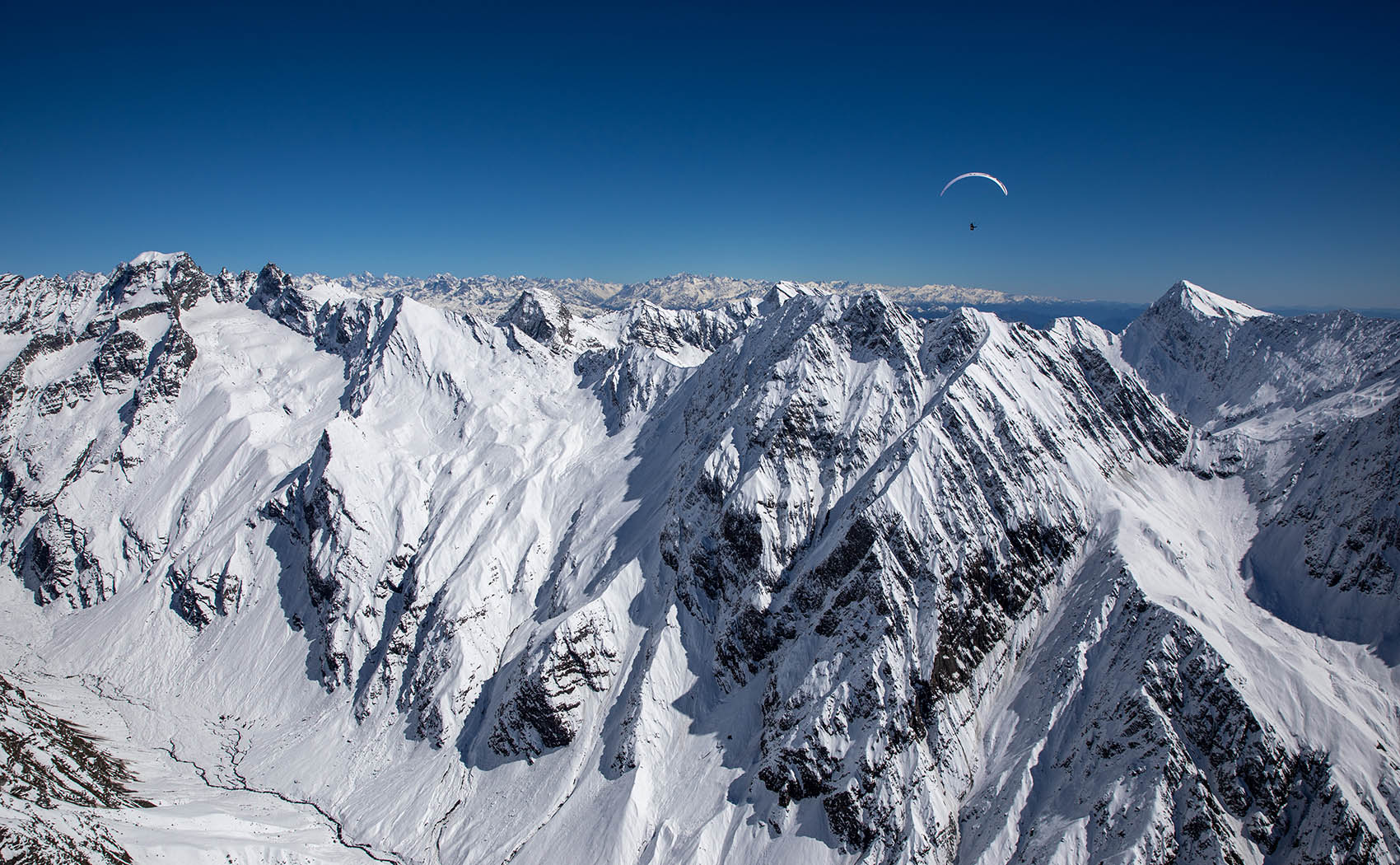
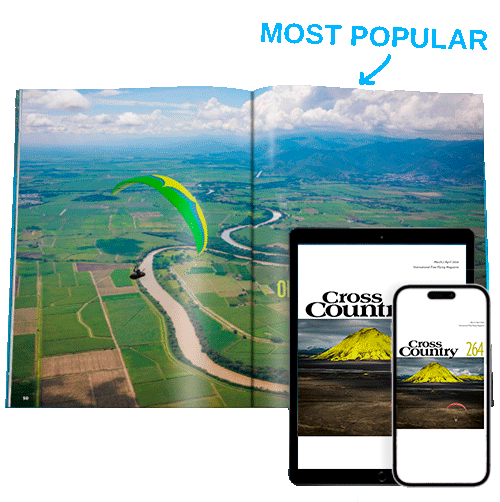
Winter Wave: High altitude, high mountain flying
Flight of the Pharaohs
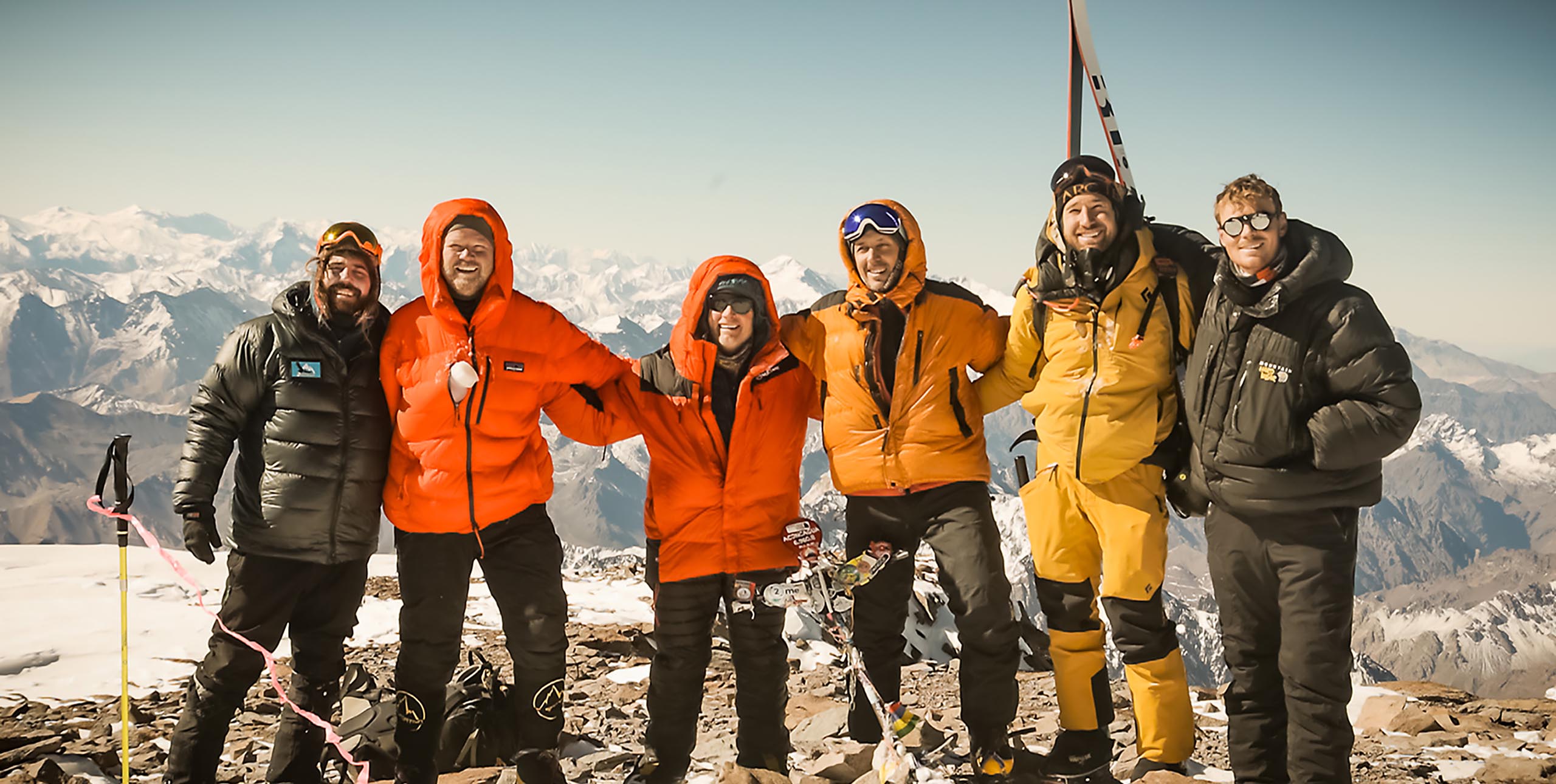
Climb and Fly: Aconcagua Calling
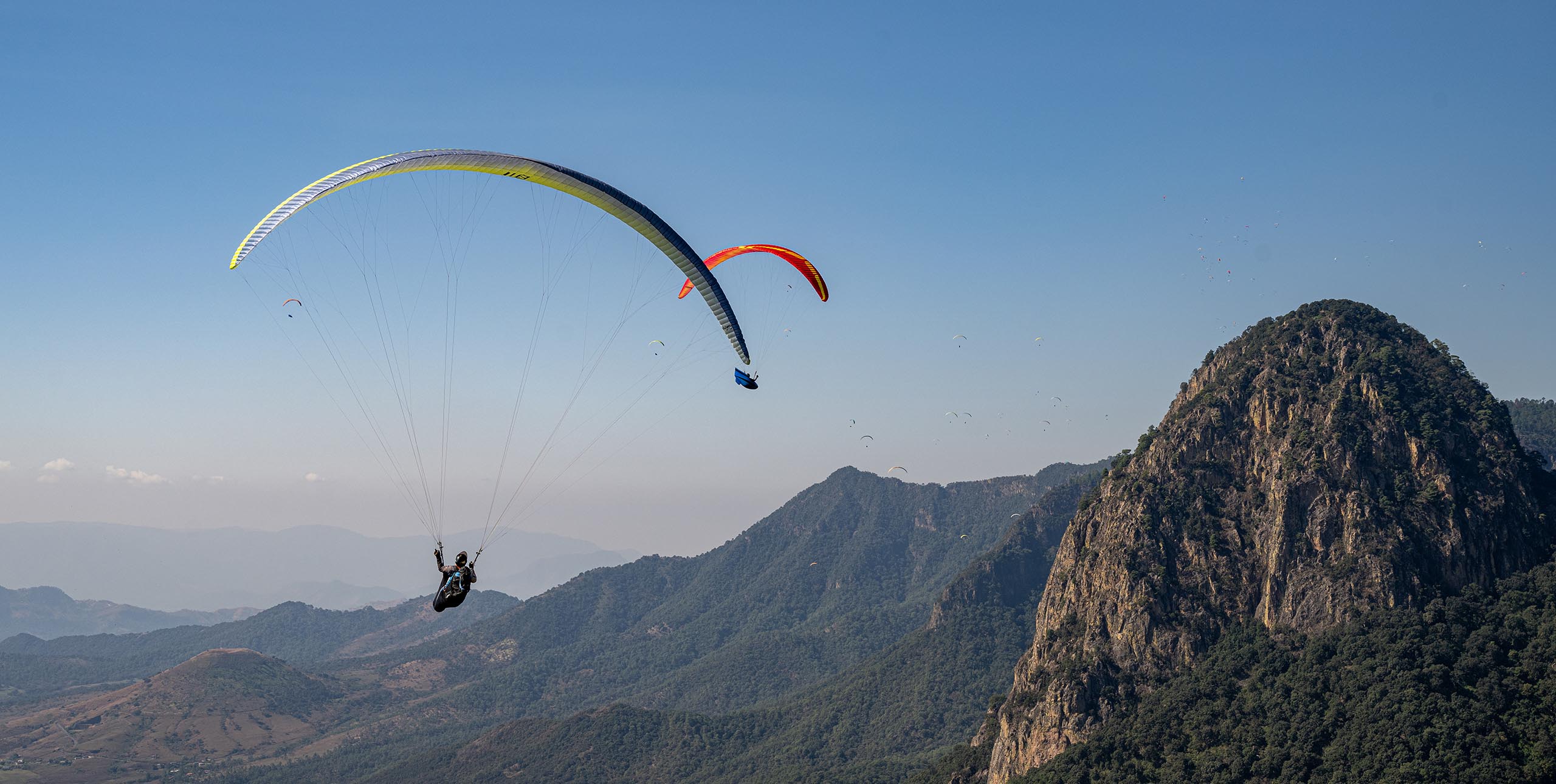
Learning to fly in Temascaltepec
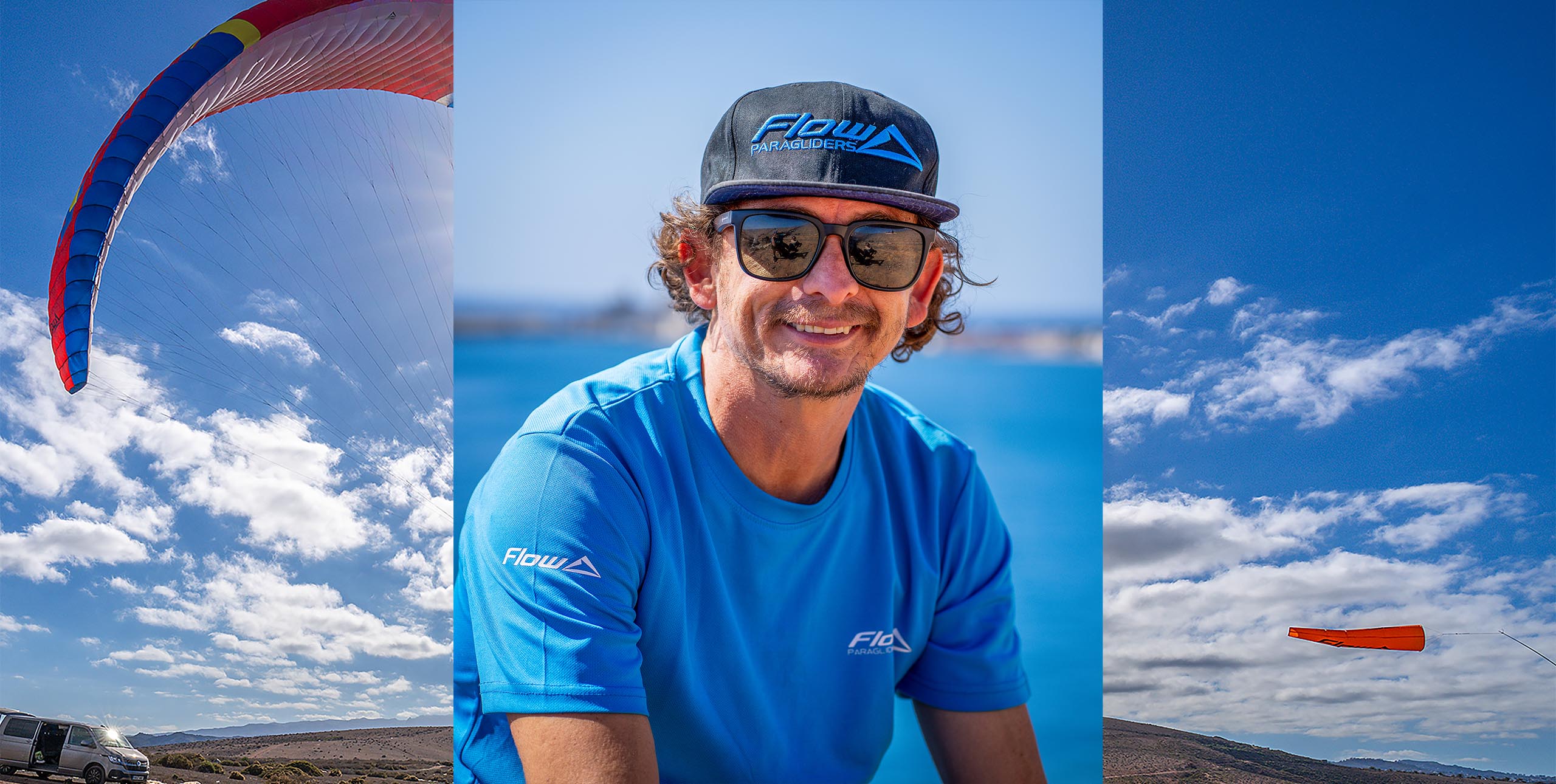
On Launch With: Christian Fernandez
The Paragliding Podcast, Episode 2
Adventure Mode: Going over the back in Bir
Cloudbase: All you need to know
Adventure Mode: ON
Adventure Mode: Flying vol-biv from Feltre
Current Issue
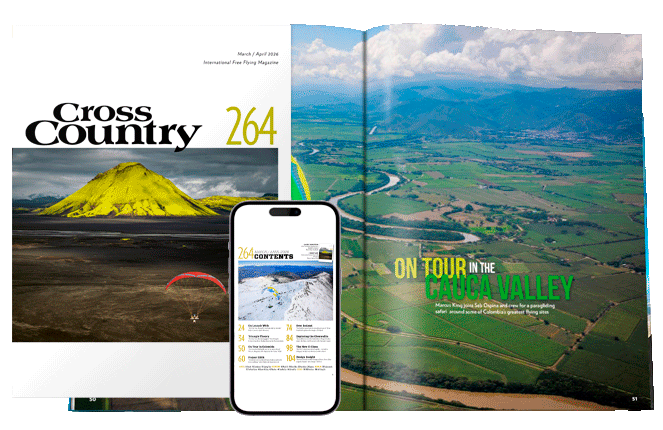
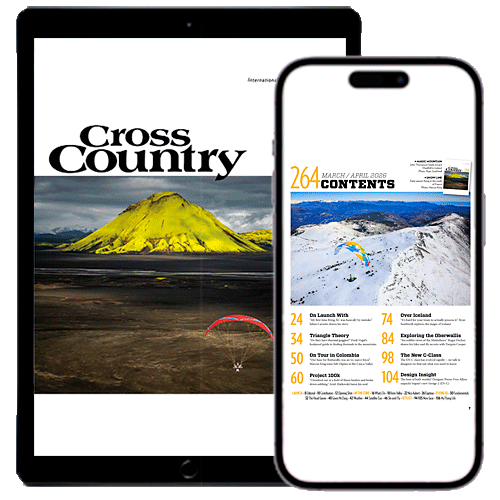
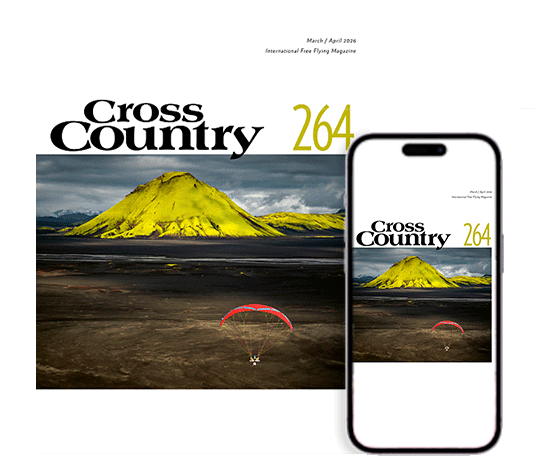
Cross Country 264:March / April 2026
Whether chasing 100k in Colombia or soaring through the canyons of Iceland, it's the simple pleasures that keep us coming back
Find out more
Subscribe today
- Get instant online access to hundreds of articles and Masterclasses
- Enjoy eight issues of Cross Country in digital and premium print, or digital only
- Learn from the world’s best in six Masterclass Live Sessions
- Benefit from exclusive discounts on equipment, books and courses
- Gain the chance to win a new wing of your choice, twice a year
- Get instant online access to hundreds of articles and Masterclasses
- Enjoy eight issues of Cross Country in digital and premium print, or digital only
- Learn from the world’s best in six Masterclass Live Sessions
- Benefit from exclusive discounts on equipment, books and courses
- Gain the chance to win a new wing of your choice, twice a year
Copyright Cross Country Magazine
Cross Country International Ltd, Tollgate, Beddingham, Near Lewes, East Sussex BN8 6JZ UK Tel: +44 (0)1273 256 090