Paragliding World Cup, Panchgani: 14-21 Feb 2026
Strong thermals, volcanic plateau landscapes, and tactical racing as the World Cup arrives in India
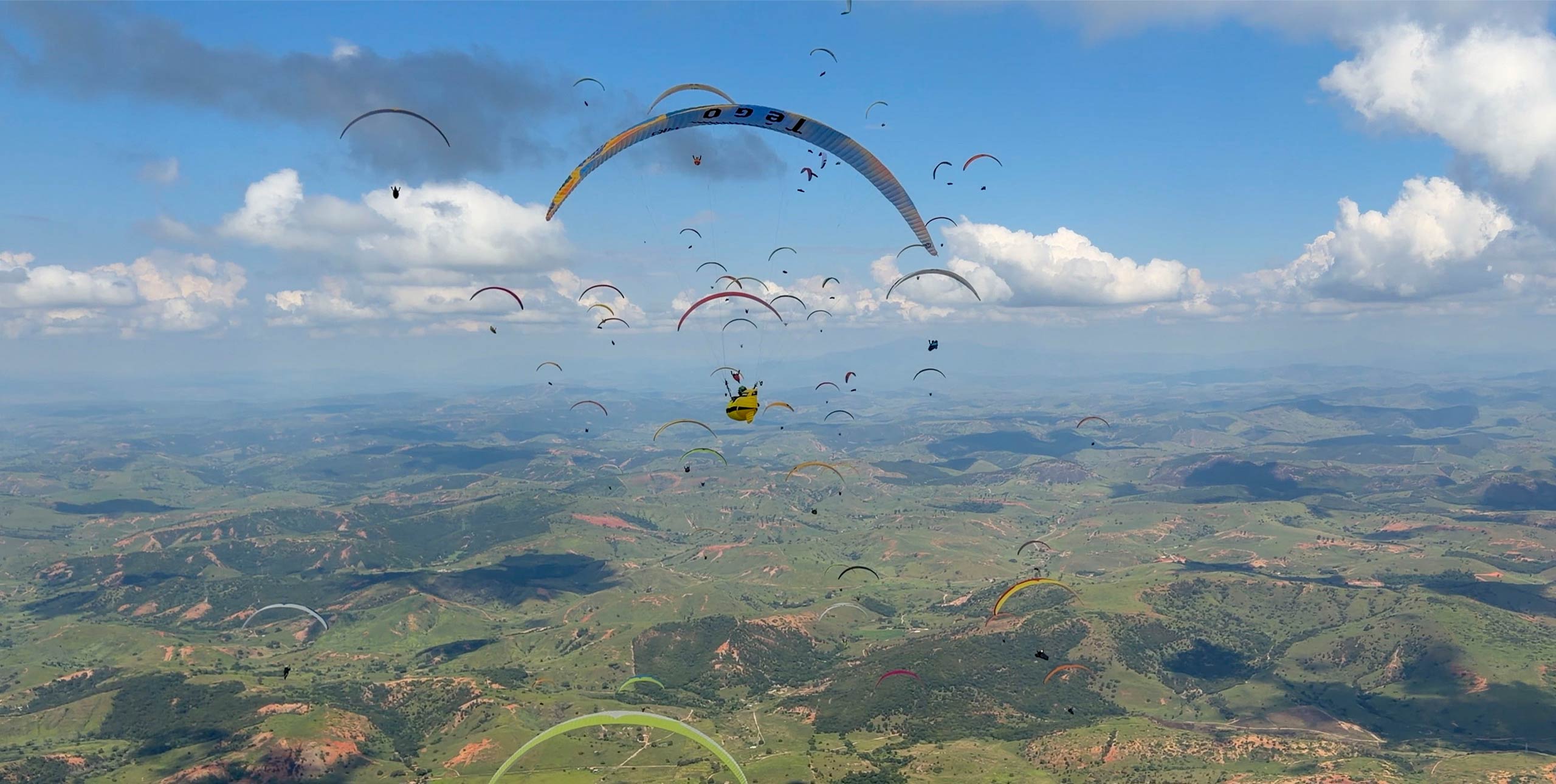
13 February, 2026, by Cross CountryThe Paragliding World Cup heads to Panchgani, India this weekend. It is the sixth and penultimate event of the 2025 season, and takes place between 14 and 21 February. Set in one of South India’s most established flying destinations, the competition is expected to deliver high-level racing as pilots continue to battle for crucial points in the later stages of the season.
With 71 confirmed pilots, including only four women, the event is well below capacity. One reason undoubtedly will be that some pilots have already accrued enough points to qualify for the Superfinal, removing the need to compete. But there may be others who have chosen to sit out and watch this early year opener due to the well-publicised safety fears that erupted last year.
Among those taking part include Michael Sigel (SUI), the 2017 PWC champion, the Swiss champions Noé Court and Tim Bollinger, Gin Seok Song (KOR) and the Italian Red Bull X-Alps athlete Davide Sassudelli. The well-known climber turned pilot Cedar Wright (USA) is also confirmed. A strong contingent of 13 pilots from the host nation includes Sunith Rao, Yash Paul, Amit Kumar and Arvind Paul, all familiar faces in Bir Billing.
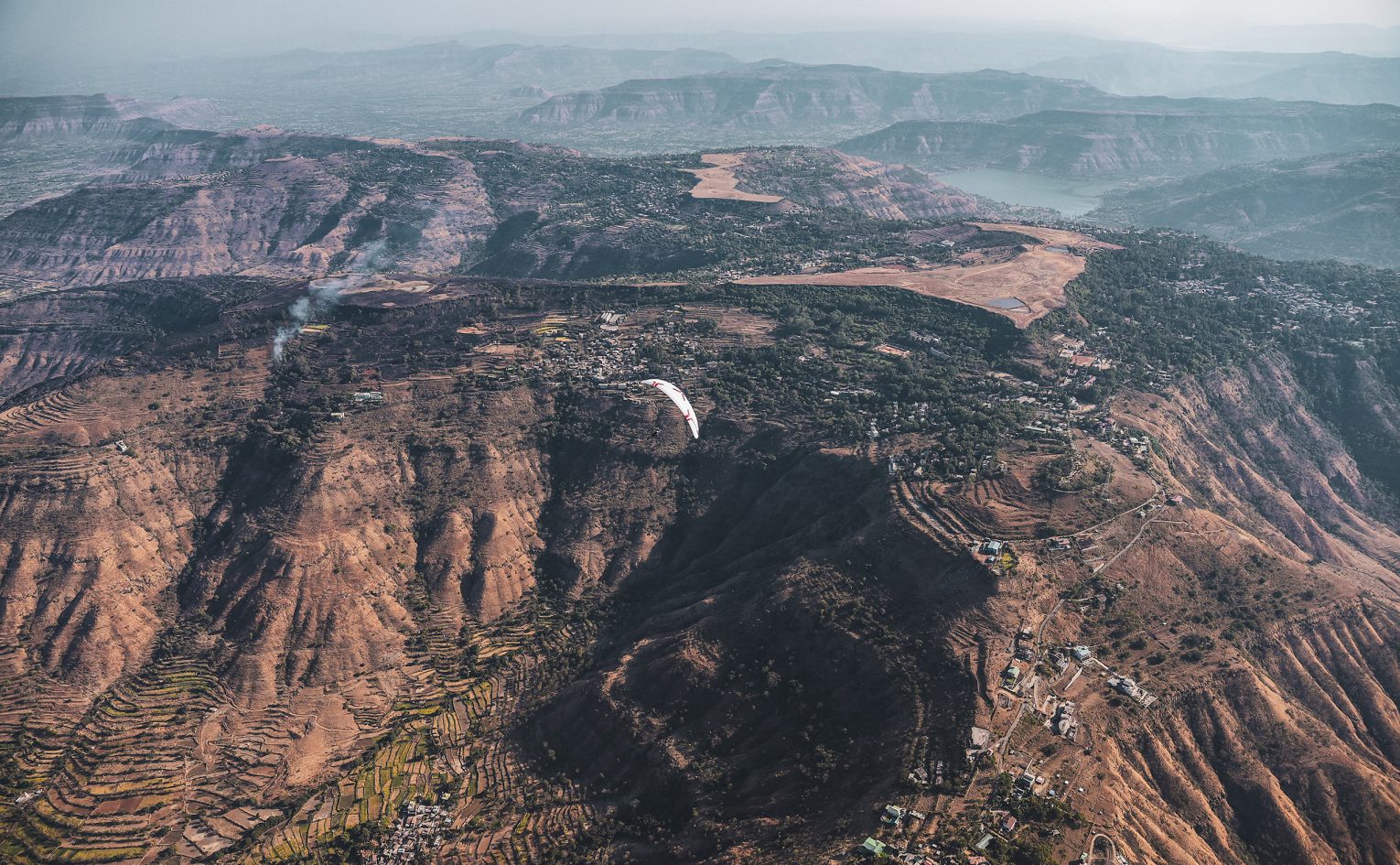
Panchgani is an Indian hill station in the Western Ghats of southern India. The Western Ghats, also known as the Sayahadri mountain range, stretch 1,600km north to south along the western coast of India, from Gujarat in the north to Tamil Nadu in the south.
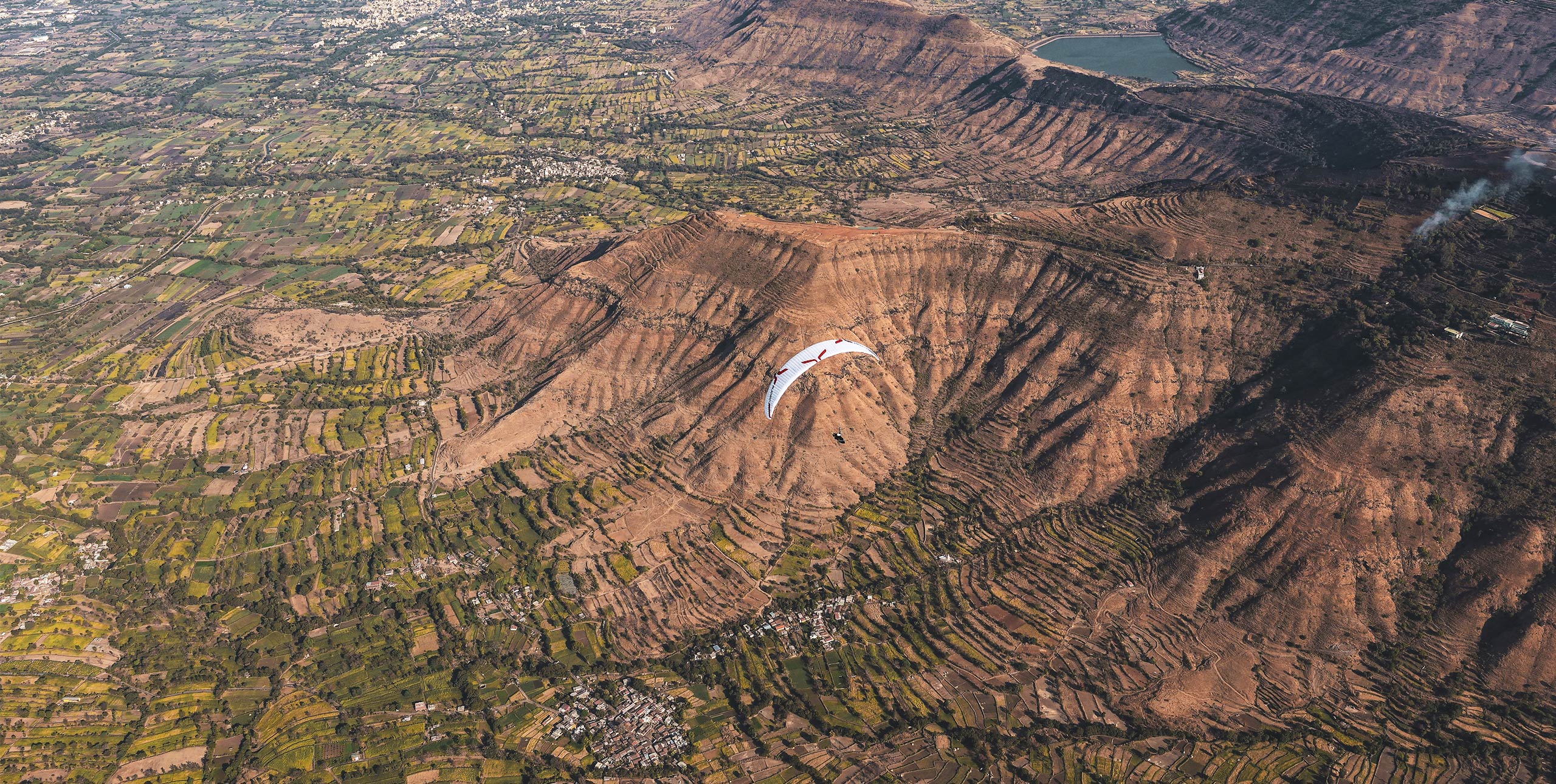
It’s known for its reliable flying conditions and distinctive landscape. Surrounded by five hills in the Sahyadri mountain range and overlooking the Krishna River and the Dhom Dam, the area combines scenic beauty with terrain perfectly suited for competition flying. The vast volcanic plateau known as the Table Land – one of the largest in Asia – creates a natural playground for cross-country tasks and strategic racing.
February is considered the best period. Early spring typically brings mild temperatures, strong thermals, and moderate winds, offering stable yet demanding conditions. The mix of small hills and open flatlands allows for varied task setting, where reading the air and choosing the right moment to move can make all the difference. “Easy access to take-offs, multiple safe landing options, and good road connections make the venue particularly well suited for a World Cup event,” say organisers.
The final event of the season before May’s Superfinal in Spain is Governador Valadares in Brazil, which starts 19 April. All the action from India can be followed via pwca.events and on their Instagram and Facebook channels.