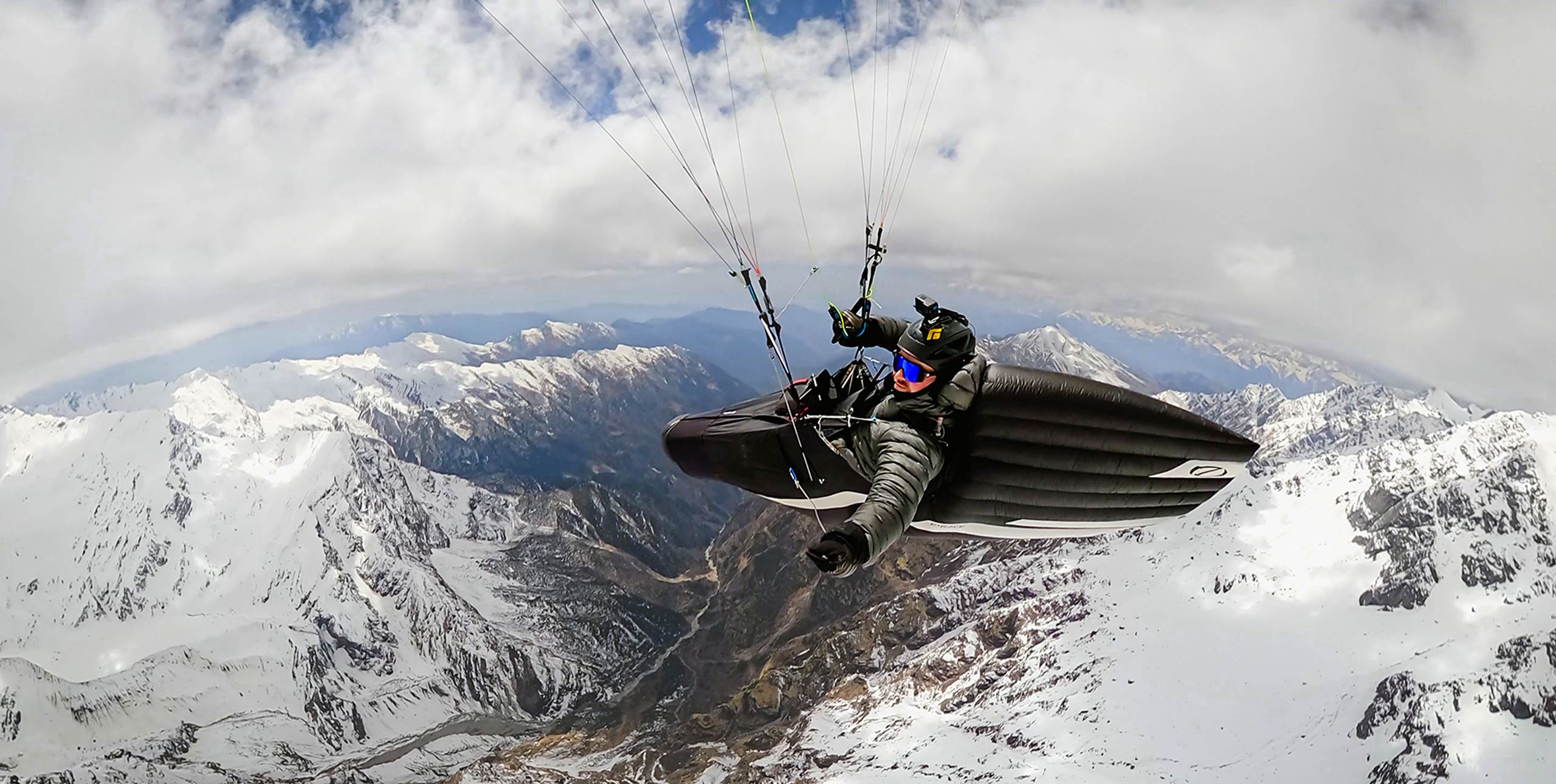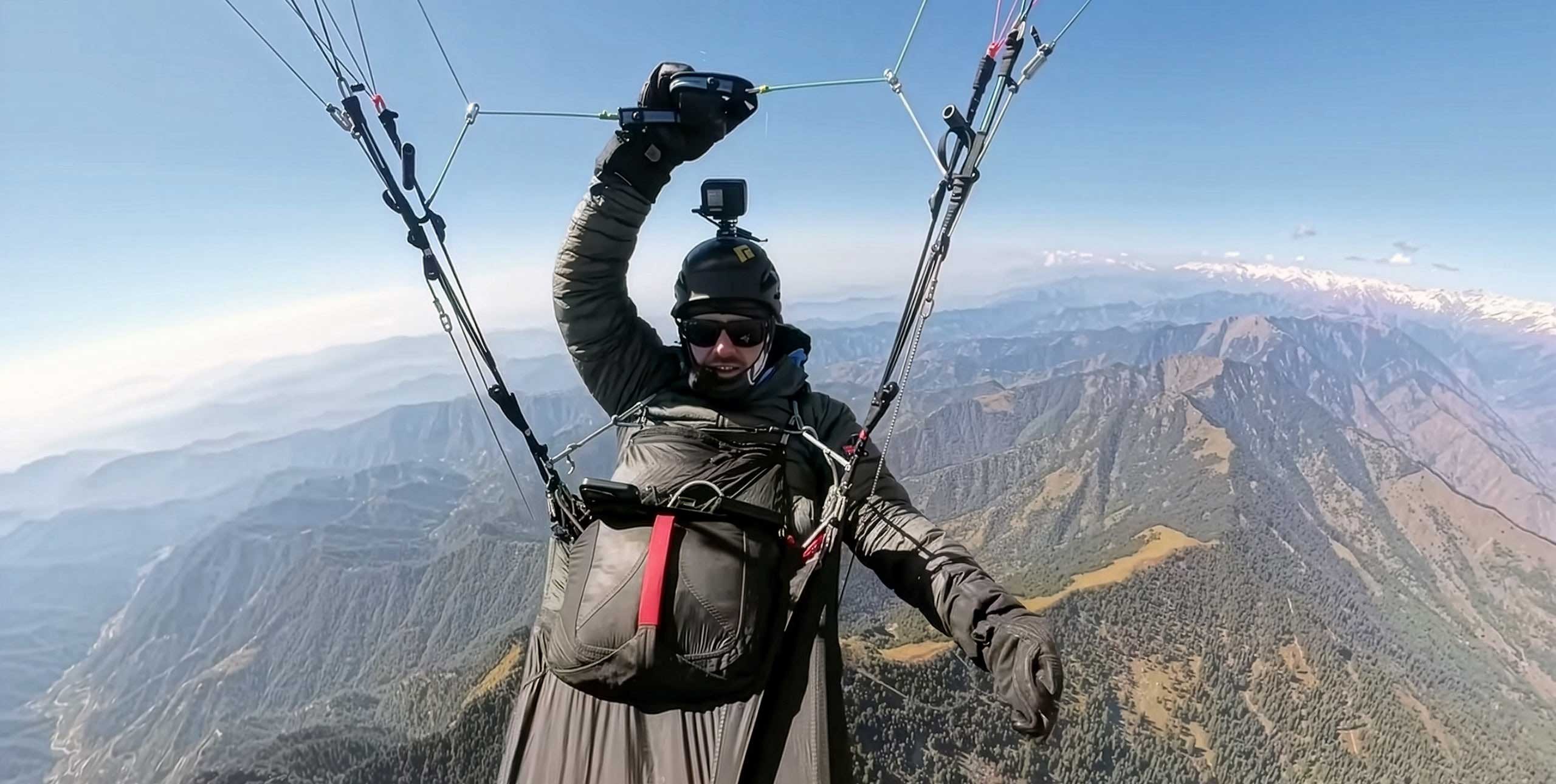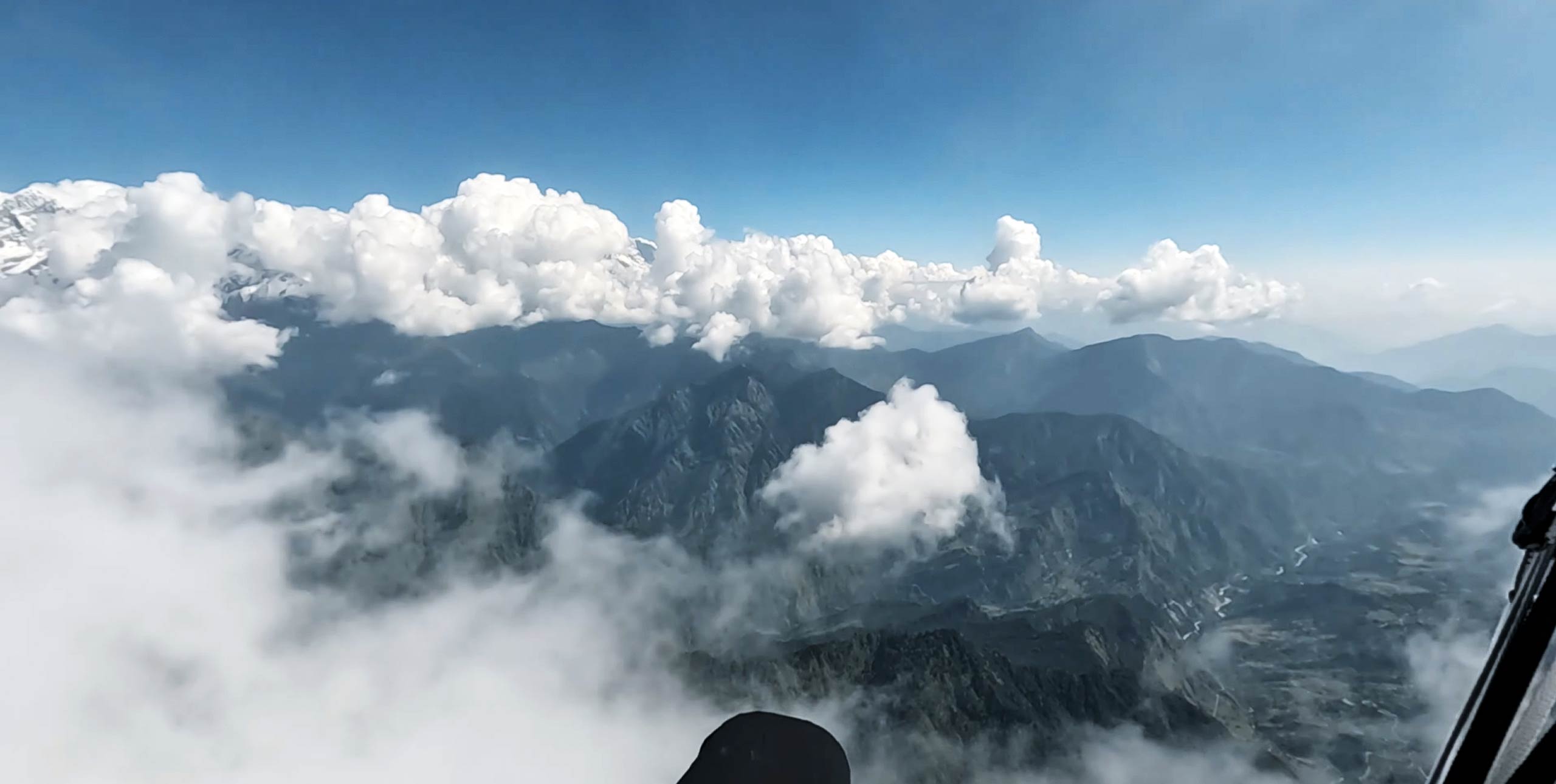
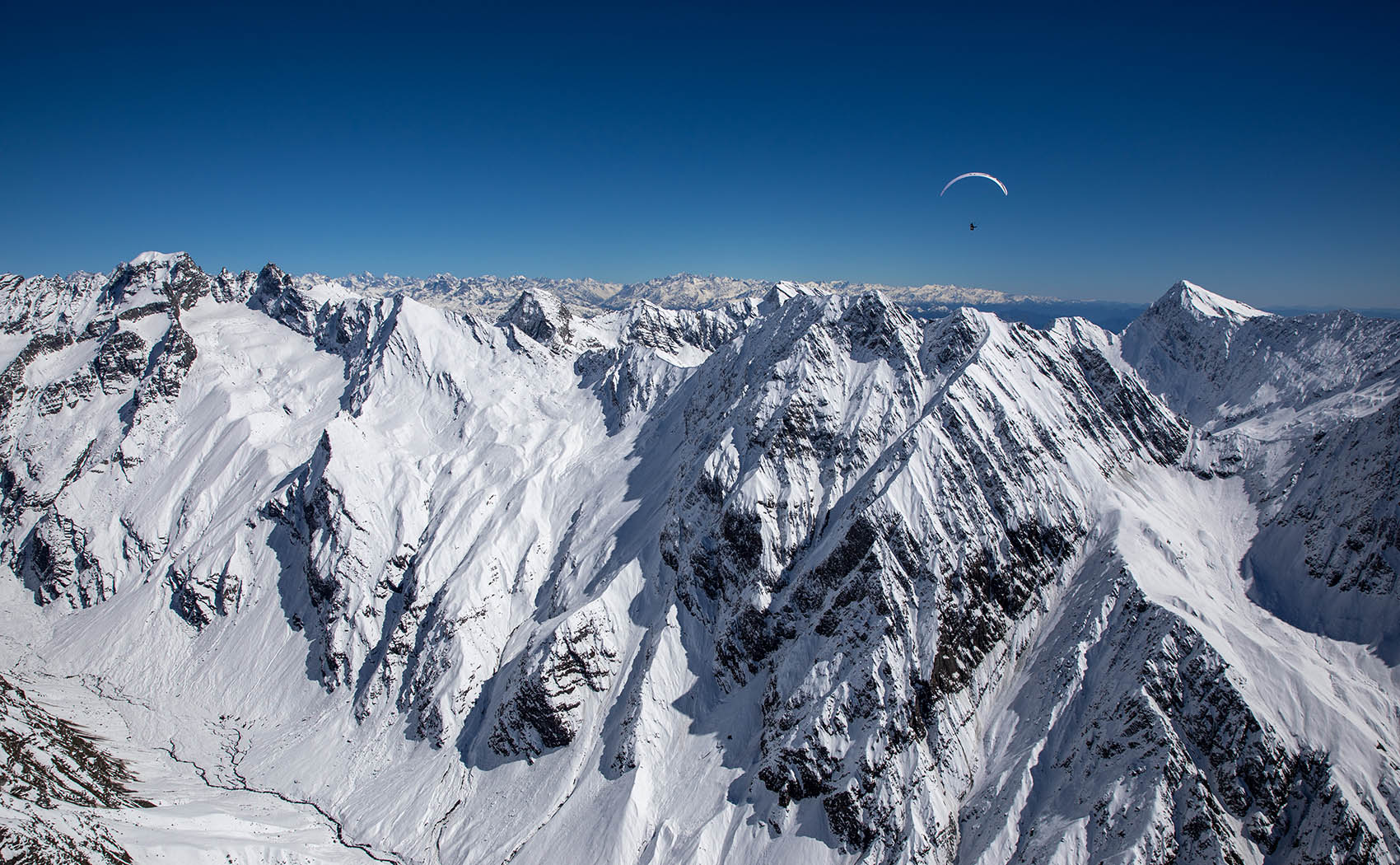
Paragliding In Bir, India. Photo: Jorge Atramiz

Adventure Mode: Going over the back in Bir

Bir is big-air terrain

8 December, 2025, by Debu Choudhury | Photography: Jorge Atramiz

Bir remains one of the most reliable and rewarding mountain flying sites I’ve flown. You get consistent thermals, clear trigger points, long ridge lines, easy access to altitude along with unprecedented views. What keeps Bir special is the range of flying it offers. A newer XC pilot can make safe 20-50km flights while the same day allows advanced pilots to push 100-200km. 

But this comes with a responsibility – Bir is big-air terrain. The high wall and back valleys can present strong conditions. Many incidents happen because visiting pilots try to fly beyond their skill level or don’t respect how quickly the air can turn demanding. Bir is generous, but it is not forgiving if you push without the skills or margin.

So yes – it’s still a special place, but it rewards good decision-making as much as good flying. You need to respect the big air and start conservatively. Helicopter rescue in this region can take up to one to two days. Terrain, weather and coordination all cause delays – so fly with bigger safety margins.

For first-time pilots my tips include: Time your launch for less crowded take-off and house thermals. Fly away from crowds if it overwhelms you, there are plenty of other thermals around. Don’t jump a level because the day looks big – many incidents happen when pilots try to fly big lines without the foundation skills. Have a landing plan at all times – fields can be sloping and terraced, with wires and fences.

Paragliding over the back in Bir, India. Photo: Jorge Atramiz

Vol-bivs can seem easily accessible but quite a few of the  incidents happen during top-landing. Avoid it if you aren’t current or very skilled. If you are new to Bir, it’s always good to fly with a guided group led by experienced guides. Finally, make sure you travel with adequate medical and search and rescue insurance and that your friends or group have ready access to your emergency contacts and documents.

For those who are prepared, going over the back is one of the most rewarding experiences Bir can offer – but it is very committing. You need to be an independent pilot prepared to make your own decisions. Climb to at least 3,400-3,600m before committing to heading over, more if the day is active. Once you’re over the back, you may have limited safe landing options for 10km to 30km. Walkouts can take several days across challenging terrain. Make sure you climb to at least 4,000m before flying back out – you’ll be pushing into wind.

Don’t push too deep on your first few flights. Take the time to adapt to the bigger terrain, altitude and stronger thermals. Finally, keep an eye on cloud development and be aware that the back valleys can create strong valley wind – far more aggressive than what you see on the Bir side. So always have an escape route and fly back out earlier rather than later. Debu Choudhury, local guide 

The best time to visit Bir is October (post monsoon). April (pre monsoon) is also an option but stronger and with more overdevelopment. First-time visitors will get a lot out of joining a guided group, especially if they have ambitions to explore behind the main ridge. Check out skysummits.com and escapexc.net


This article was first published in Cross Country Issue 262


You may also like