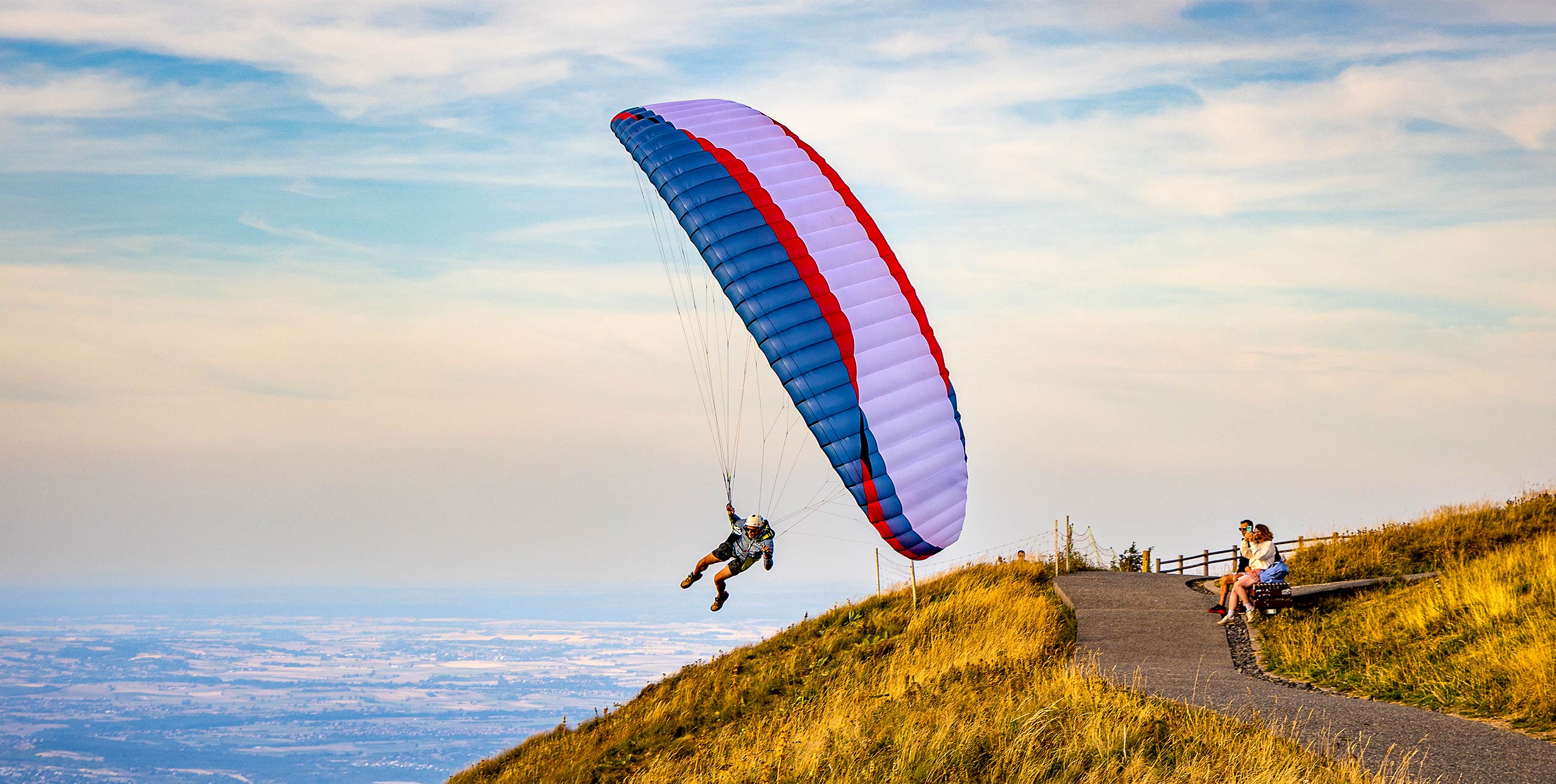
AirDesign launch Exta, a parakite built for the mountains
A four-size range designed to bring parakiting from the coast and into thermic, mountain air
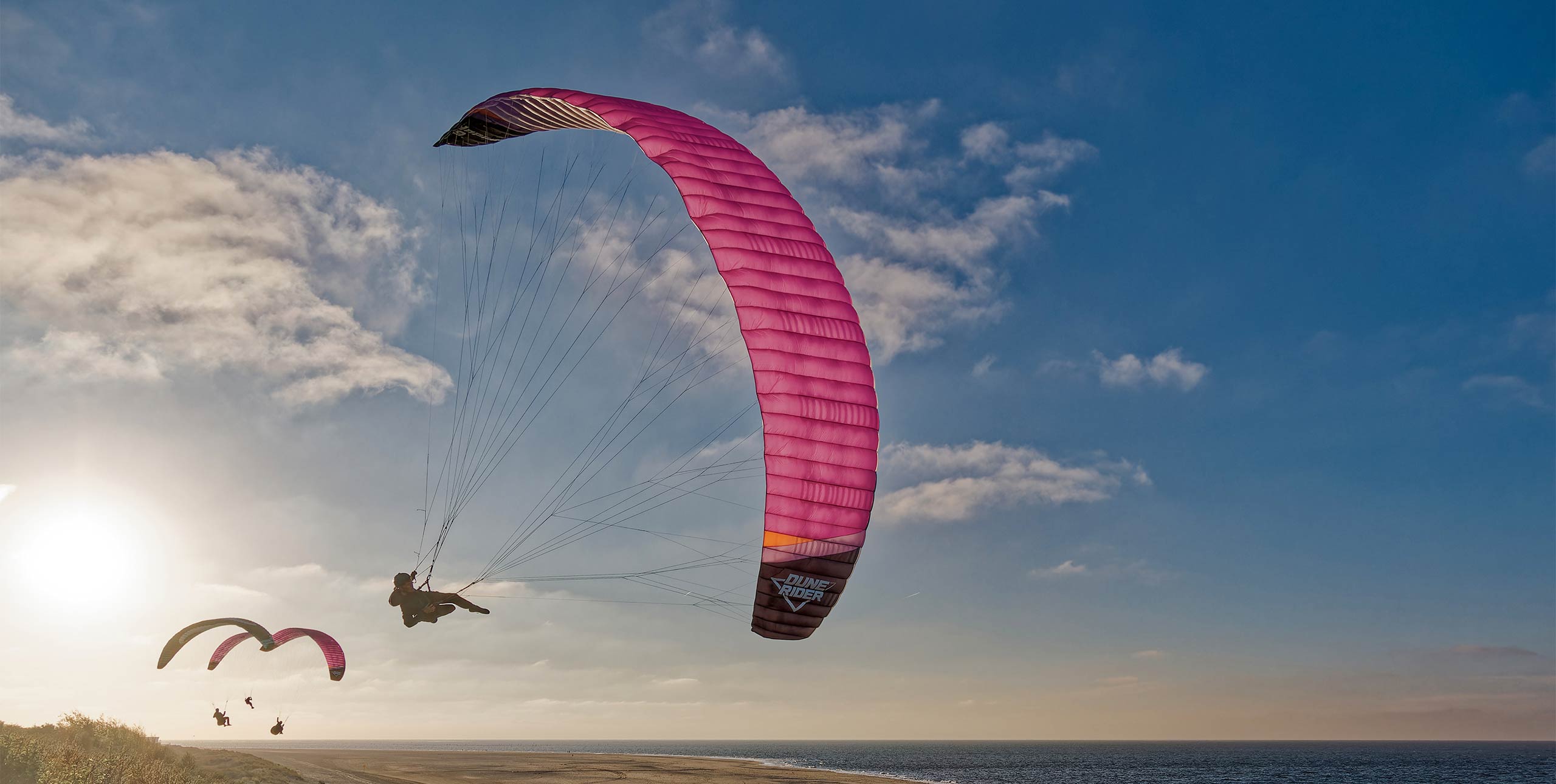
31 August, 2026, by Cross CountryAirDesign have released the Exta, a parakite line built specifically for mountain flying rather than the coastal soaring most parakites are designed around.
They say they set out to dismantle the idea that parakiting is dangerous or unsuitable for the mountains, aiming instead for a wing that is accessible, ultralight and versatile, with genuine thermal performance alongside the passive safety and active-air stability parakites are known for.
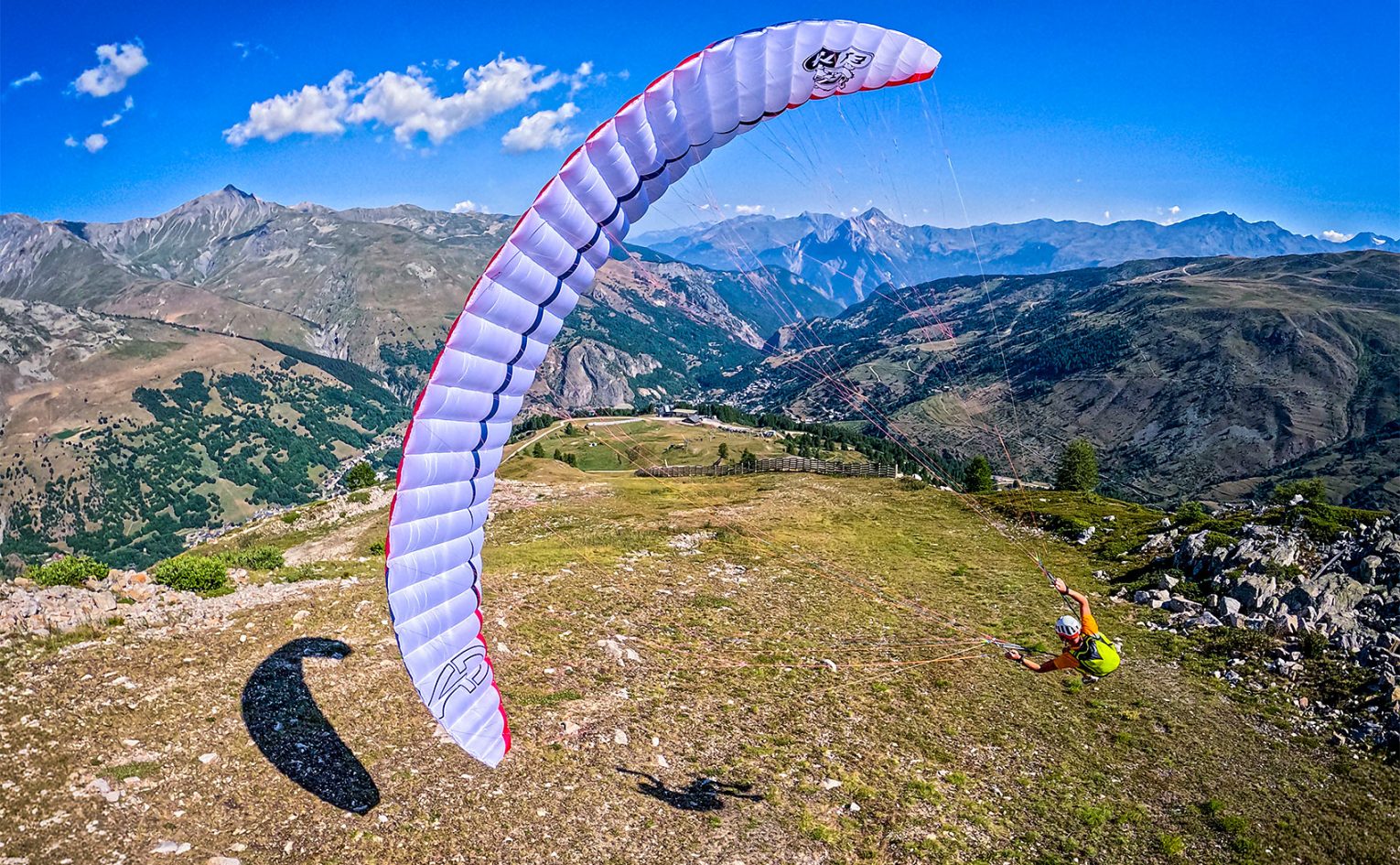
The range spans four sizes. The 21 (2.68kg) is pitched as the most accessible, aimed at pilots learning to parakite up to 75kg, with heavier pilots up to 85kg finding it more playful. The 18 (2.45kg) is an intermediate wing for a lower weight range, suited to mountain soaring and local thermic flying. The 16 (2.20kg) is “the core of the range”, claimed to be around 30% lighter than competing wings with compact packed size, it is positioned as a hybrid between a mini-wing and a soaring/thermal wing. The 12 (1.85kg) is the most specialised size, with a shorter line lengths and sharper handling for experienced pilots seeking a compact wing with an optimised glide ratio.
The use of low aspect ration design helps make it accessible. In terms of reflex, AirDesign say they looked for “the best compromise between the inherent stability of the parakite and the reactive behaviour of a paraglider outside its flight envelope.” They say tension in the internal structure and control of the rigidity across the chord give the wing behaviour suited to active air, while pyramid-shaped D-lines tighten to help the wing reopen after a frontal collapse in thermic conditions. Brake travel and pressure are designed to feel close to a paraglider’s.
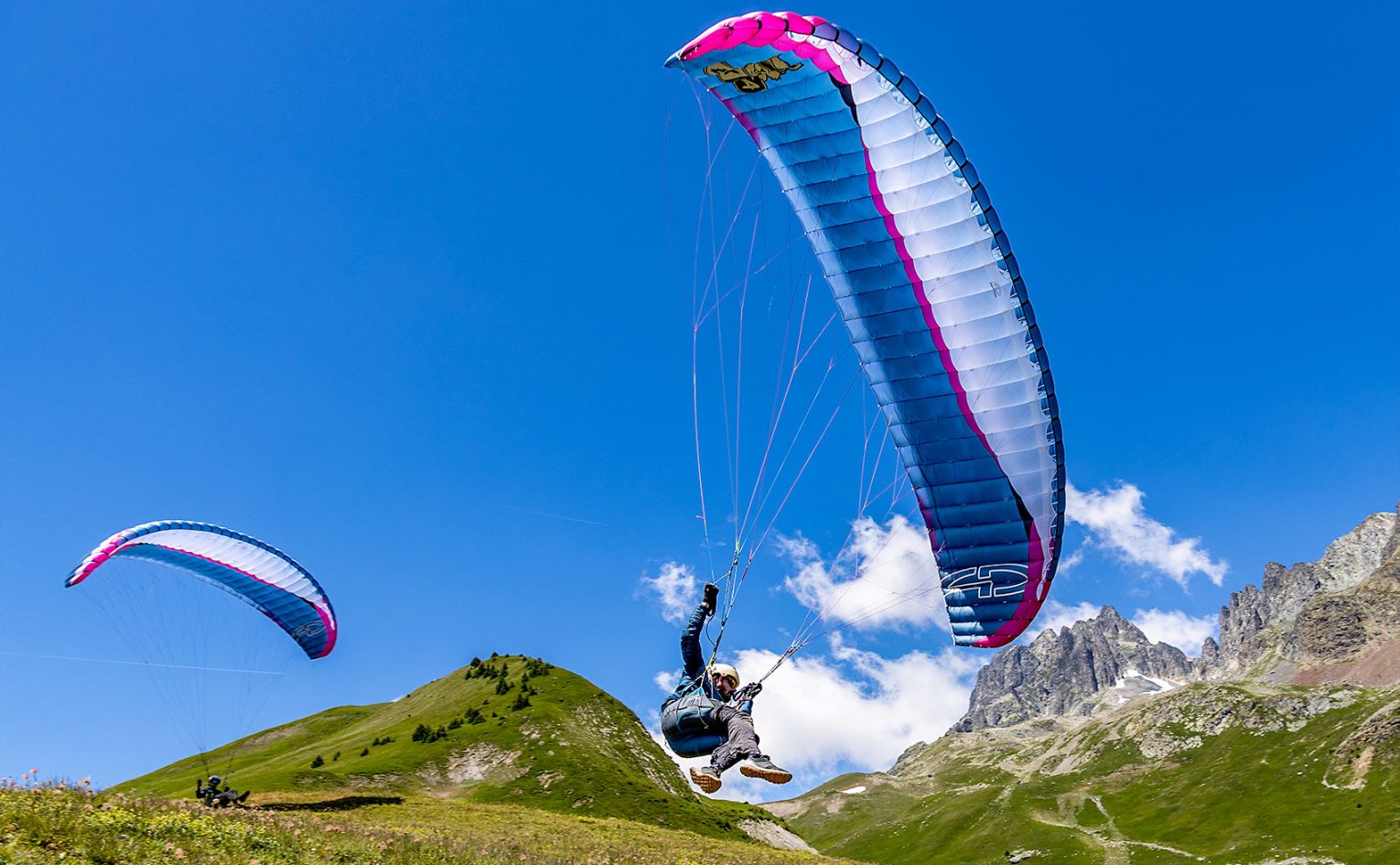
Durability comes from the use nitinol rods, along with their signature feature: a Ghost Nose Guard on the leading edge, extra reinforcement along the seams of the nose above the rods. The internal structure has also been optimised to save weight without sacrificing durability. Thicker material has been used on the leading edge and on the last five cells each side, “for pilots flying hard.”
More at ad-gliders.com